From October 2025 to September 2026, the Erasmus+ project SuMoS – Strengthening the ecosystem for sustainable student mobility – progressed from establishing a shared framework for student mobility to developing digital tools, strengthening educators’ competencies and engaging students in international sustainability activities. Through research, workshops, partner meetings and dissemination events, the project addressed institutional support, academic recognition and environmental responsibility in student mobility.
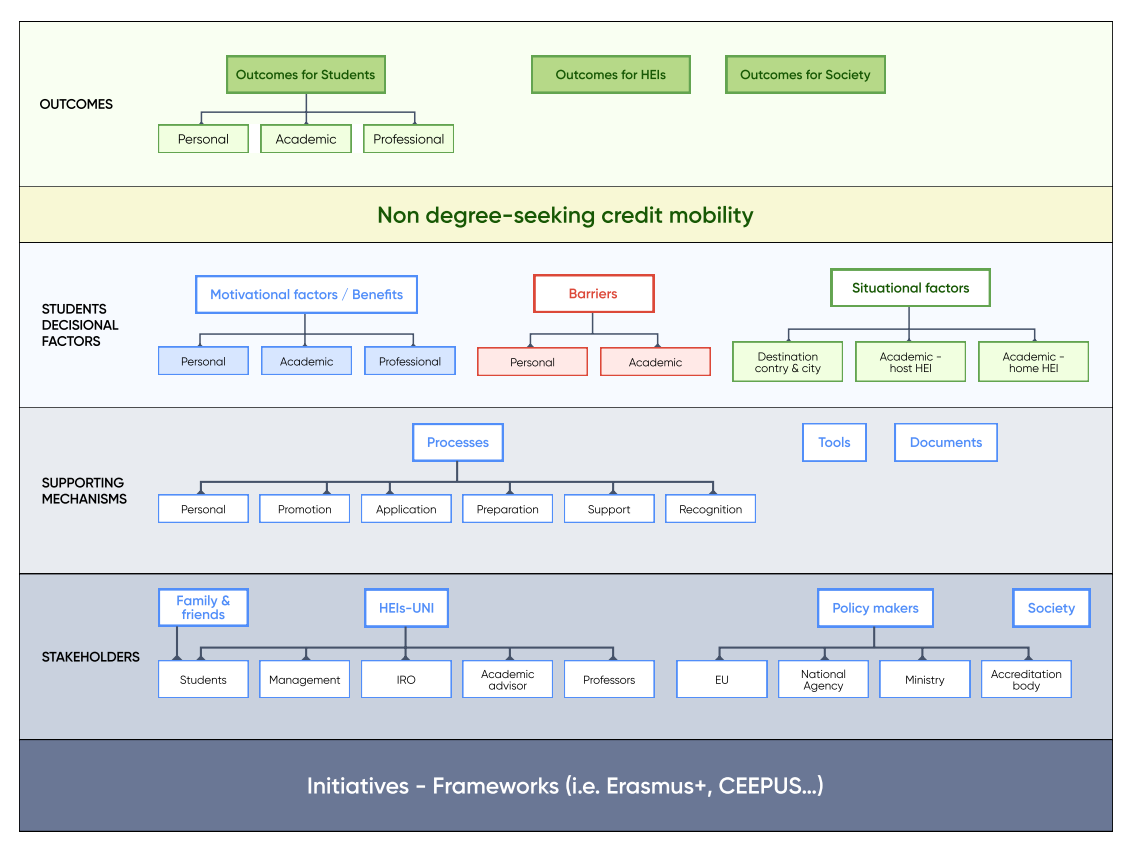
A major milestone was the completion of the project’s first result, Institutional Student Mobility Ecosystem (ISME) and recommendations for improvement, announced in November 2025. Focusing on study semester exchanges abroad, the framework connects five pillars: initiatives and frameworks, stakeholders, supporting mechanisms, student decisional factors and outcomes. Accompanying recommendations address challenges across the mobility process, including institutional strategies, inter-institutional agreements, promotion, applications, learning agreements, recognition and digital tools. Together, the framework and recommendations provide a basis for improving how higher education institutions organise and support student mobility.
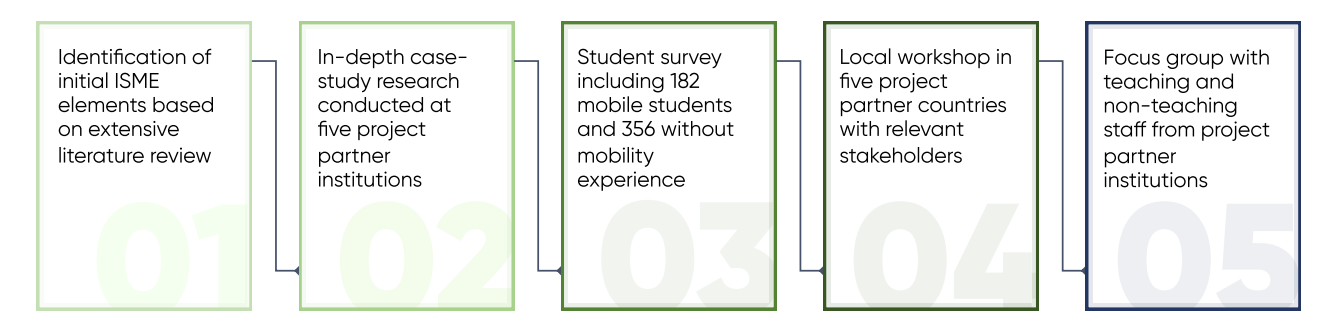
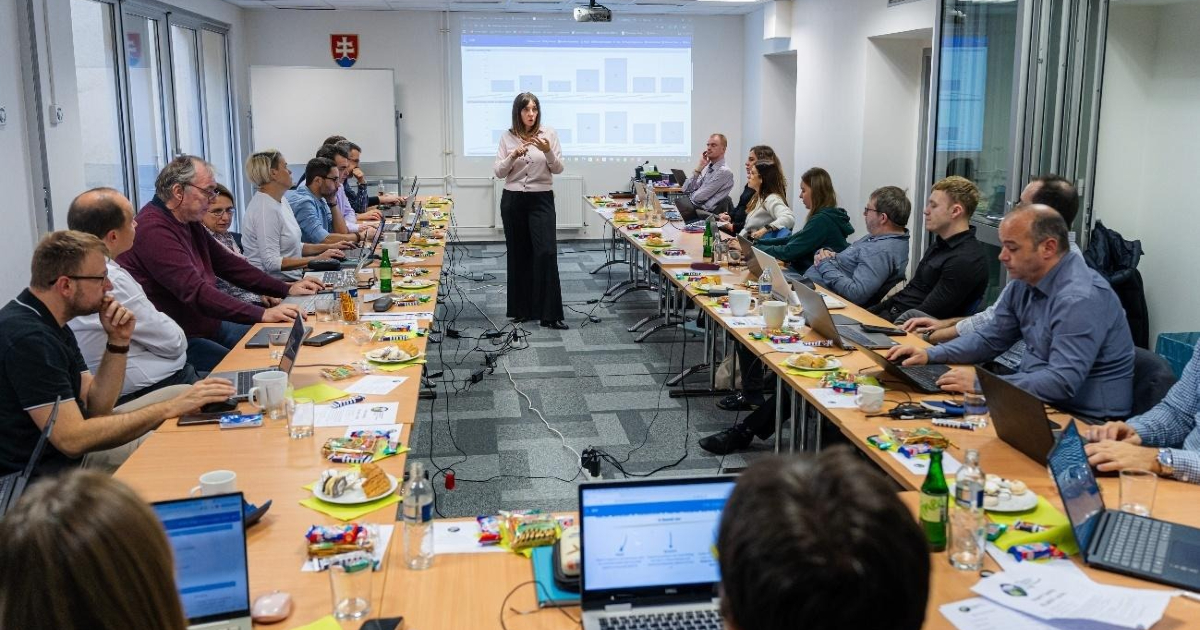
Academic recognition within student mobility was the focus of the international educators’ workshop hosted by the University of Žilina’s Faculty of Management Science and Informatics from 19 to 21 November 2025. Nineteen teachers from all five partner institutions worked on course comparison, learning design and recognition practices. Additionally, teachers were supported to create learning design for their courses, through active participation in the MOOC Learning Design in the AI-era, and using the Balanced Design Planning tool (BDP). Discussions and focus groups helped establish a foundation for course comparison principles, learning design quality criteria and further improvements to digital support for recognition processes.
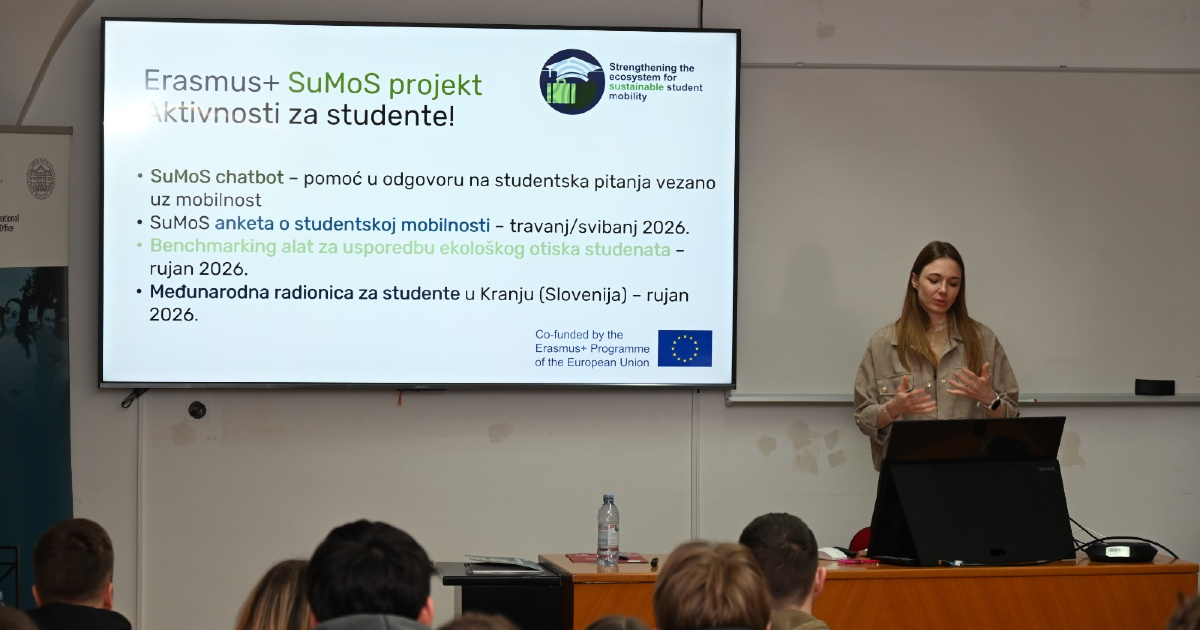
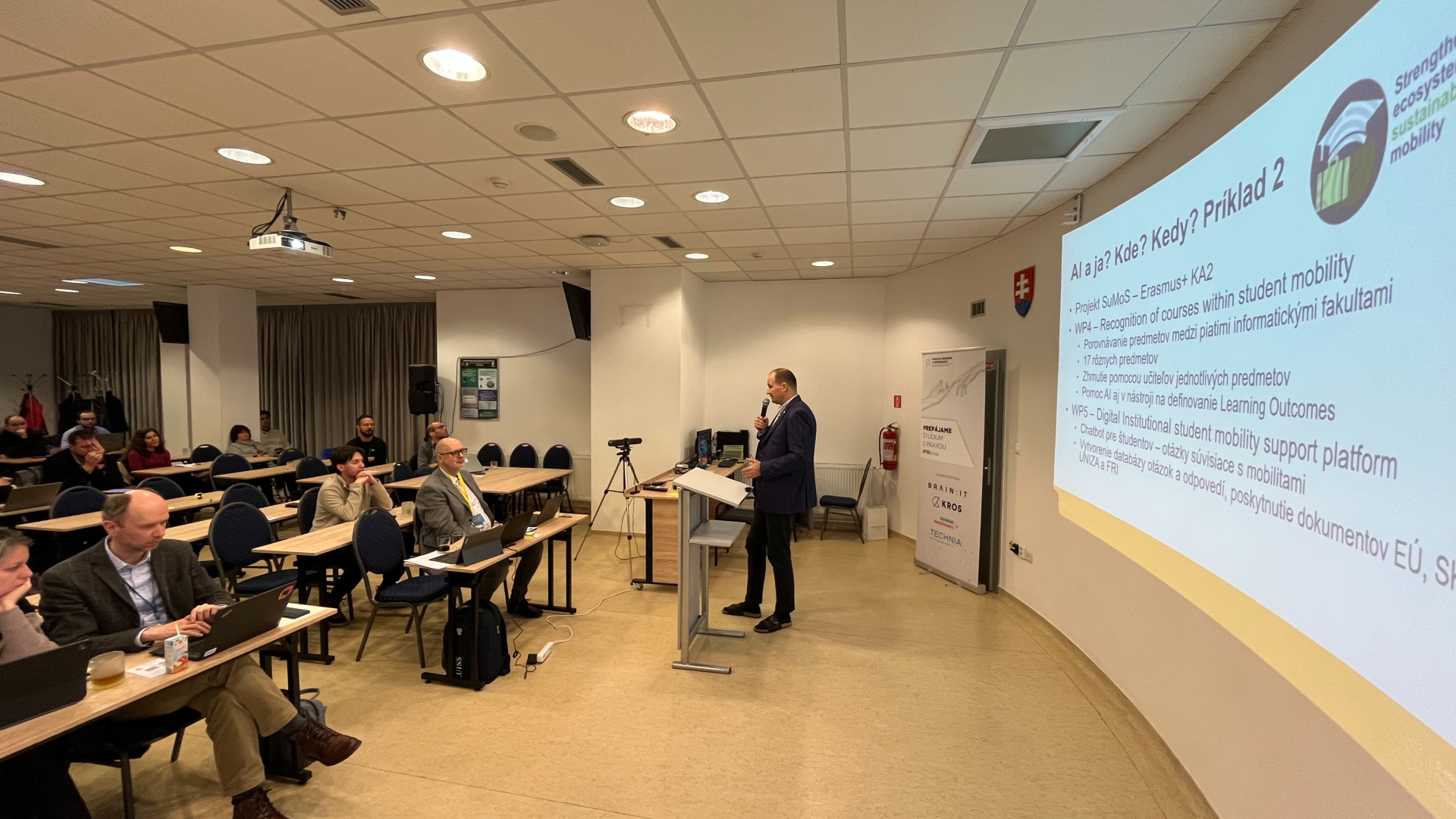
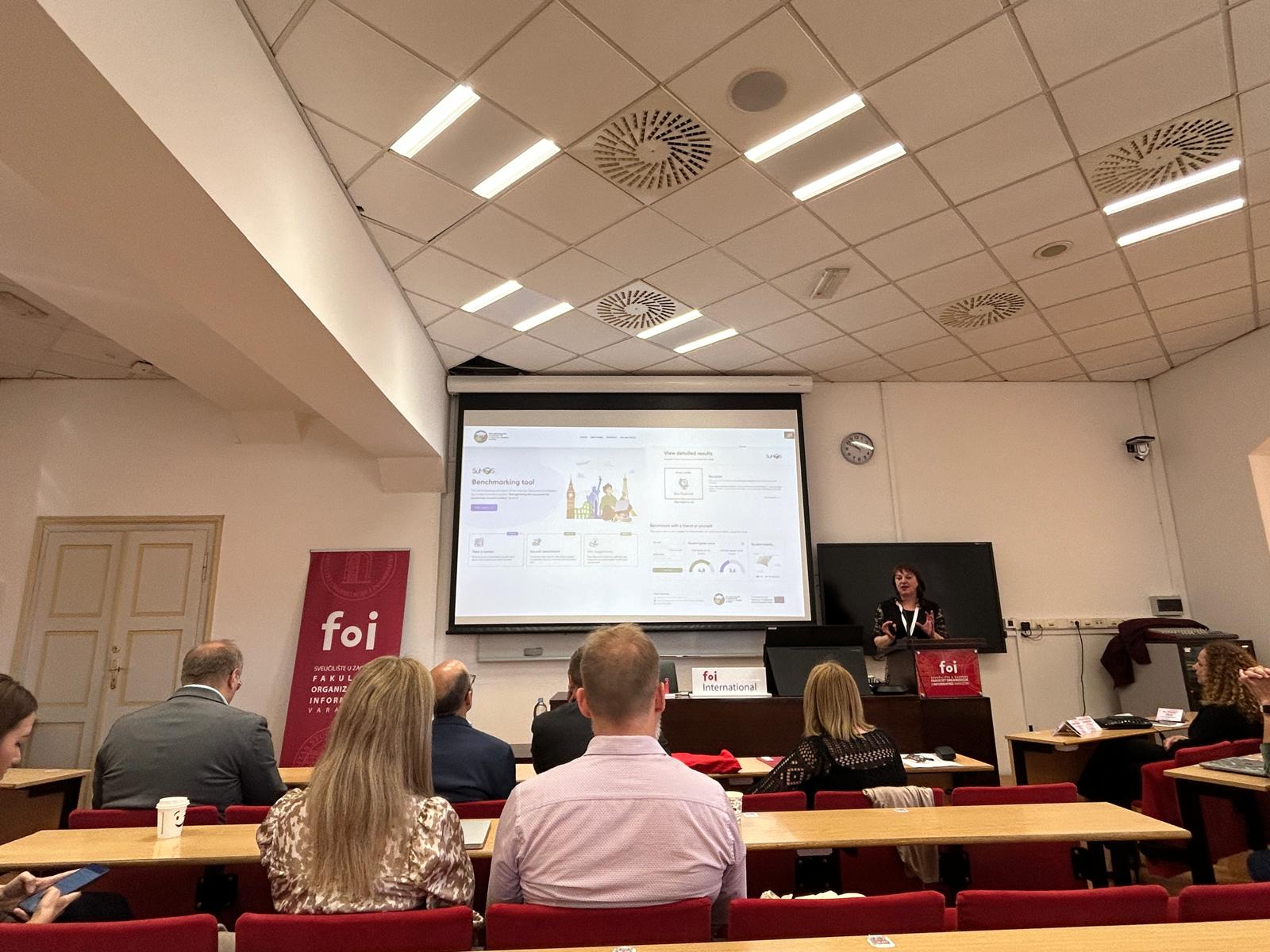
During the first half of 2026, SuMoS expanded its outreach to students, educators and international cooperation professionals. In January, project leader Associate Professor Katarina Pažur Aničić presented upcoming activities to more than 50 students and a representative of ESN Čakovec at the FOI Erasmus+ Info Day. In February, Peter Márton presented the project at the AI in Education Conference at FRI UNIZA, highlighting the use of artificial intelligence in comparing partner institutions’ courses and developing a chatbot for international relations offices. In May, Associate Professor Martina Tomičić Furjan introduced SuMoS at FOI International Days, emphasising its digital tools for sustainability awareness and mobility planning.
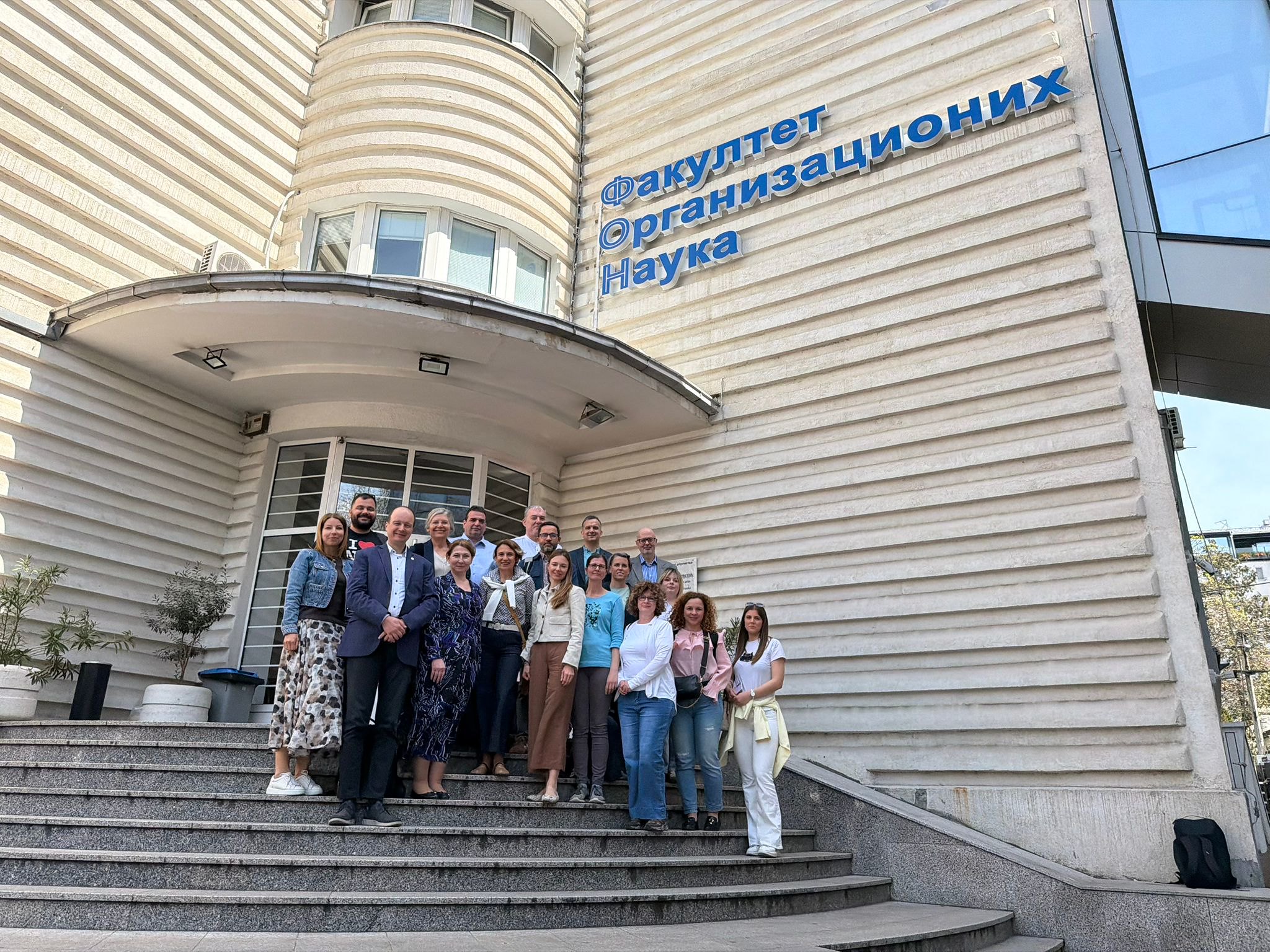
Development work advanced at the partner meeting held at the University of Belgrade’s Faculty of Organizational Sciences from 14 to 16 April 2026. Twenty team members collaborated on the digital Institutional Student Mobility Support Platform, refining the chatbot database and expanding its frequently asked questions. Planned to become available to students in 2027, the chatbot will support access to information throughout the mobility process. Partners also worked on a benchmarking tool enabling students to assess their environmental footprint and compare their results with peers. Both tools are intended to be publicly available free of charge.
The project’s contribution to sustainable decision-making was further presented at the FON Summer School in July. Professor Nataša Petrović introduced SuMoS as a practical case study linking data, artificial intelligence, business analytics and sustainability. The session engaged 20 participants from eight countries, demonstrating how digital tools can support the assessment and improvement of green practices.
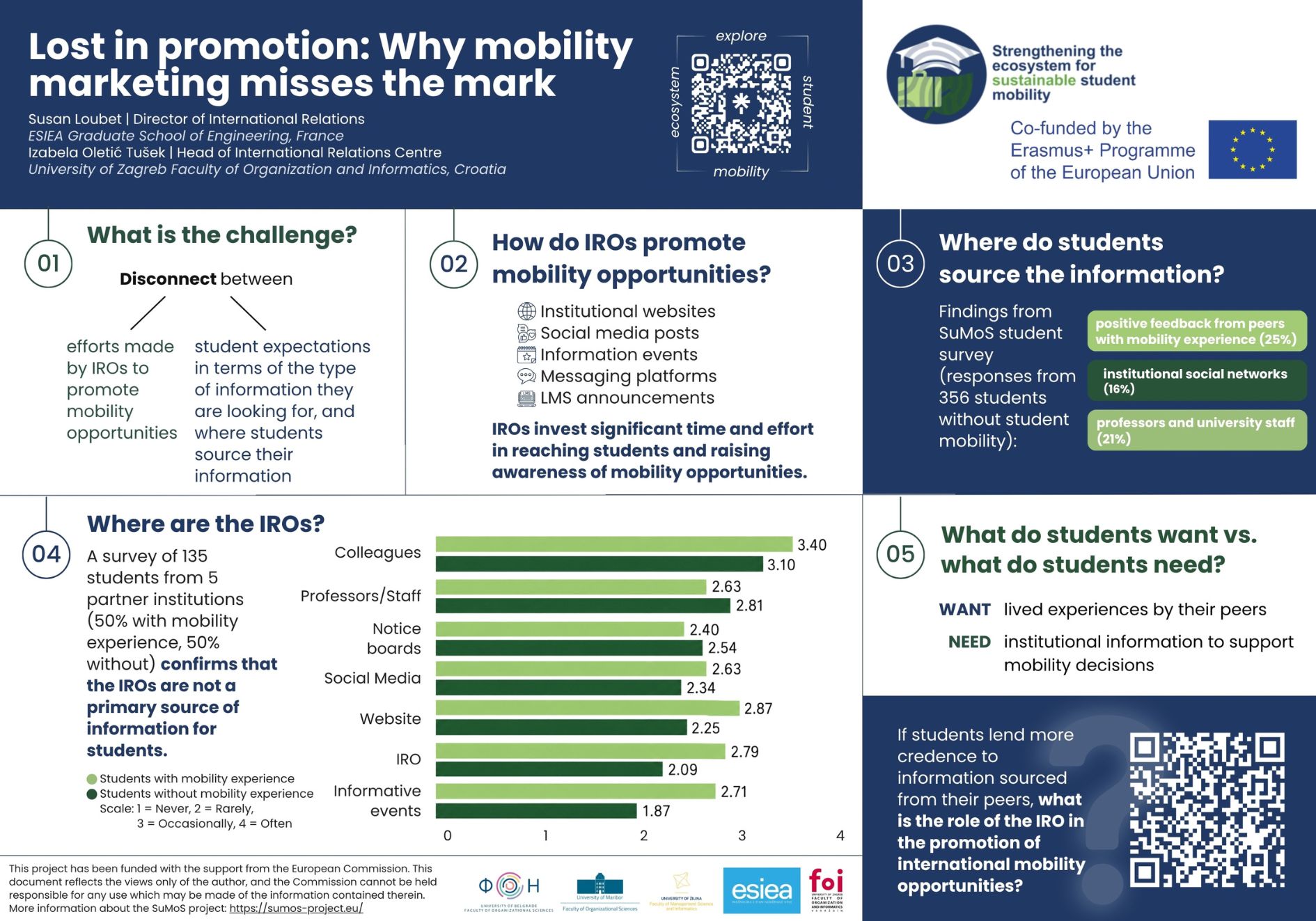
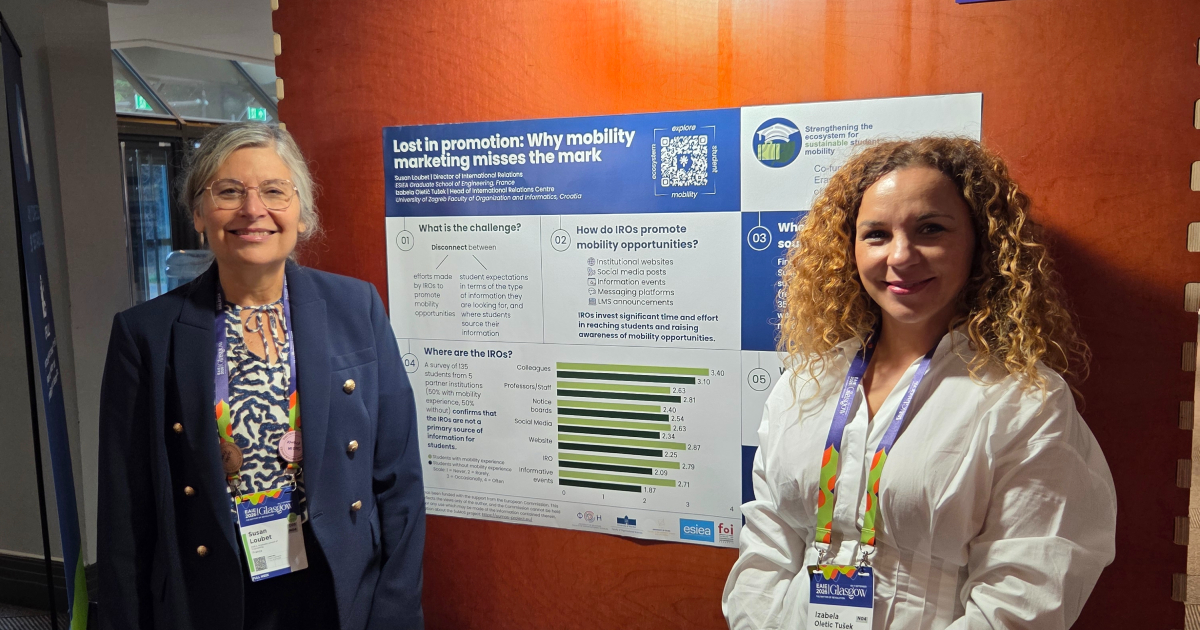
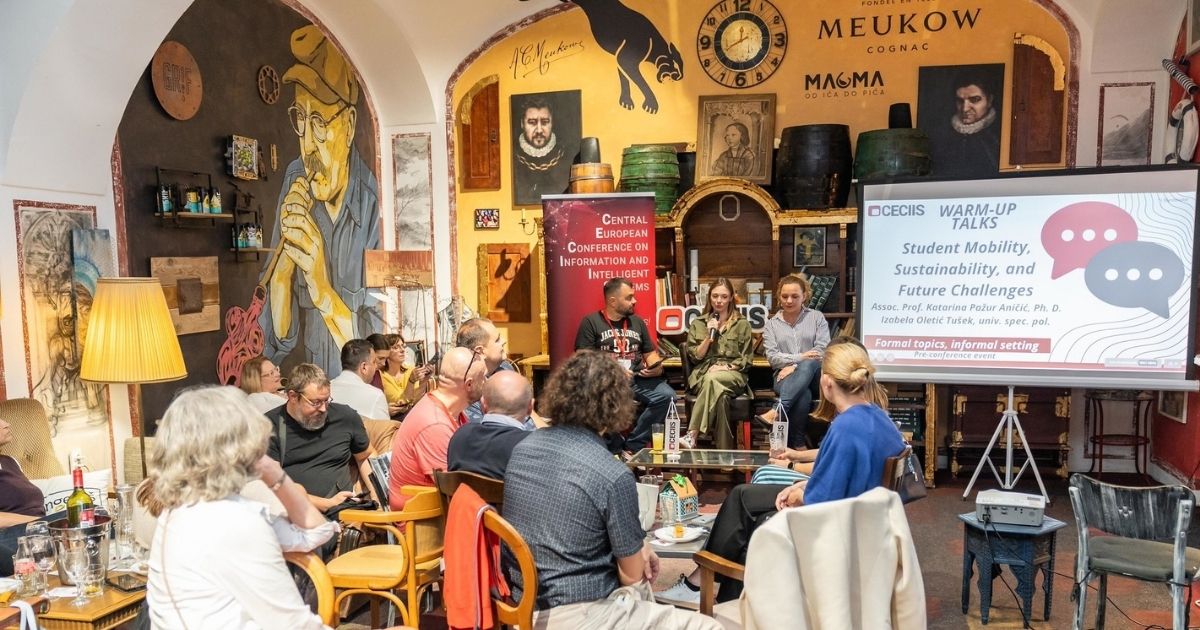
September brought further international visibility. At EAIE Glasgow 2026, SuMoS team members Susan Loubet and Izabela Oletić Tušek presented research on mobility promotion and the ways students seek information about opportunities abroad. Their contribution highlighted communication as both an enabler and a potential barrier to mobility. Following SuMoS’s Best Pitch Award at CECIIS 2025, Katarina Pažur Aničić and Izabela Oletić Tušek also participated in the CECIIS 2026 Warm-up Talks in Varaždin. Speaking as SuMoS team members, they shared project insights on sustainability and future mobility challenges with more than 60 participants.
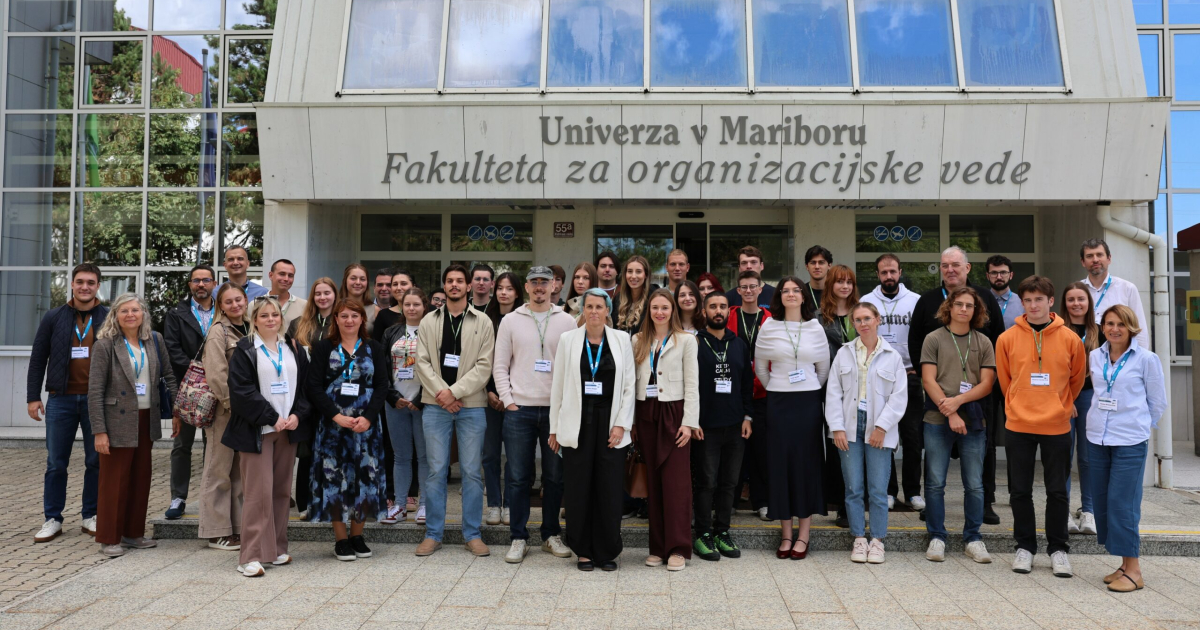
The reporting period culminated in the “Green Thinking & Digital Action” student workshop and partner meetings, hosted by the University of Maribor’s Faculty of Organizational Sciences in Kranj from 22 to 24 September 2026. Announced earlier in the year as part of the project’s work on green practices and the environmental footprint of mobility, the workshop brought together 27 students and 16 professors from Croatia, Serbia, Slovakia, France and Slovenia. Students worked in seven international teams on digital service ideas, prototypes and conversational agent concepts addressing environmental and sustainability challenges. By connecting international collaboration with practical learning, the workshop strengthened participants’ competencies and translated the project’s sustainability objectives into student-led ideas and solutions.
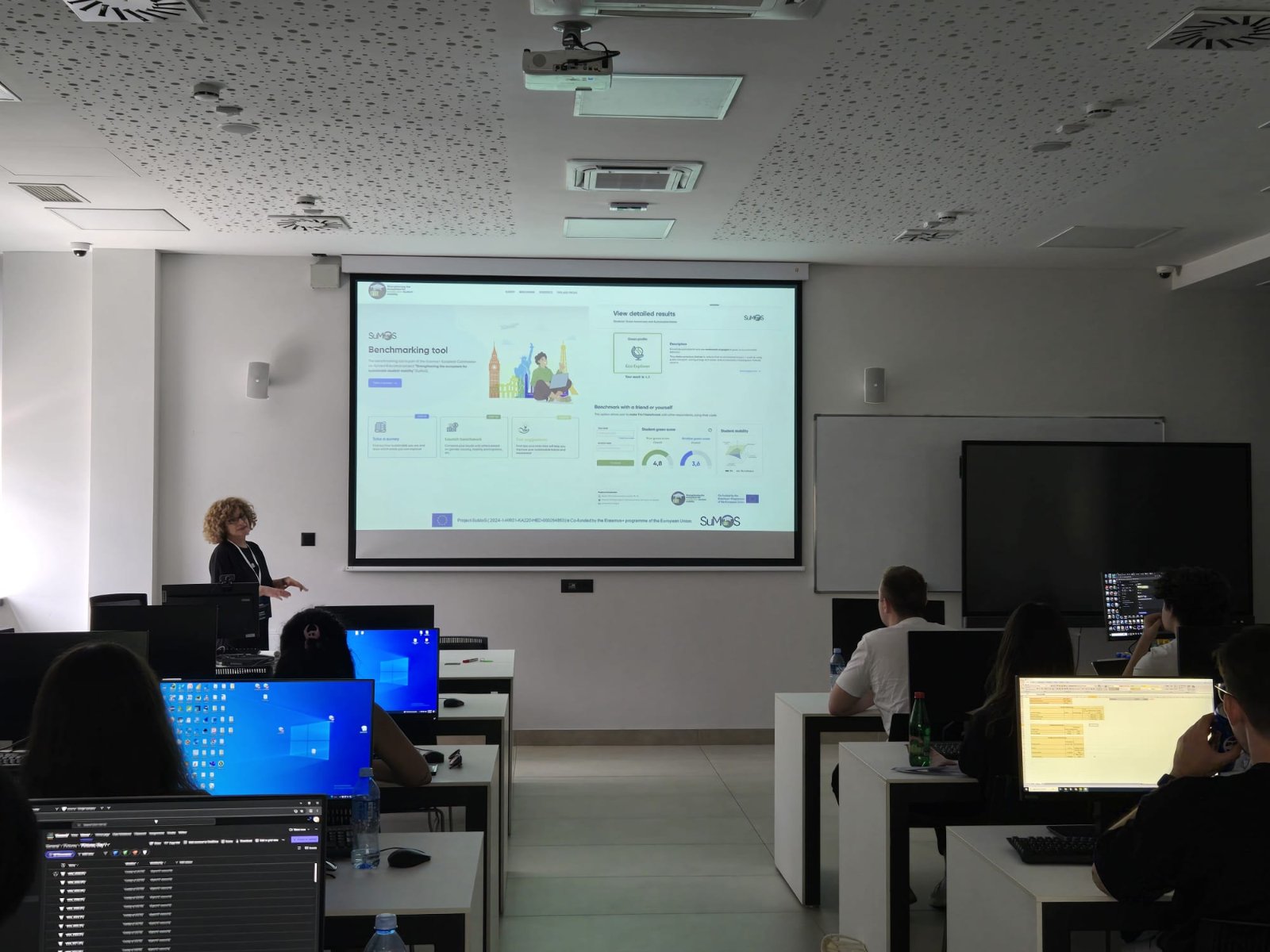
An online tool was developed to help students assess their environmental awareness, attitudes and everyday habits, compare their results with other students and track their own progress. The tool includes practical tips for more sustainable living and examples of green practices at partner institutions, contributing to strengthening the ecosystem for sustainable student mobility. This benchmarking tool was validated with students during the above mentioned workshop in Kranj, Slovenia. It is available at green.sumos-project.eu.